LFLoadForceEstate Cleanout

Estate Cleanout

A useful estate cleanout starts with decisions, not lifting. We help you define the rooms, contents, access, and deadline before anything is loaded.

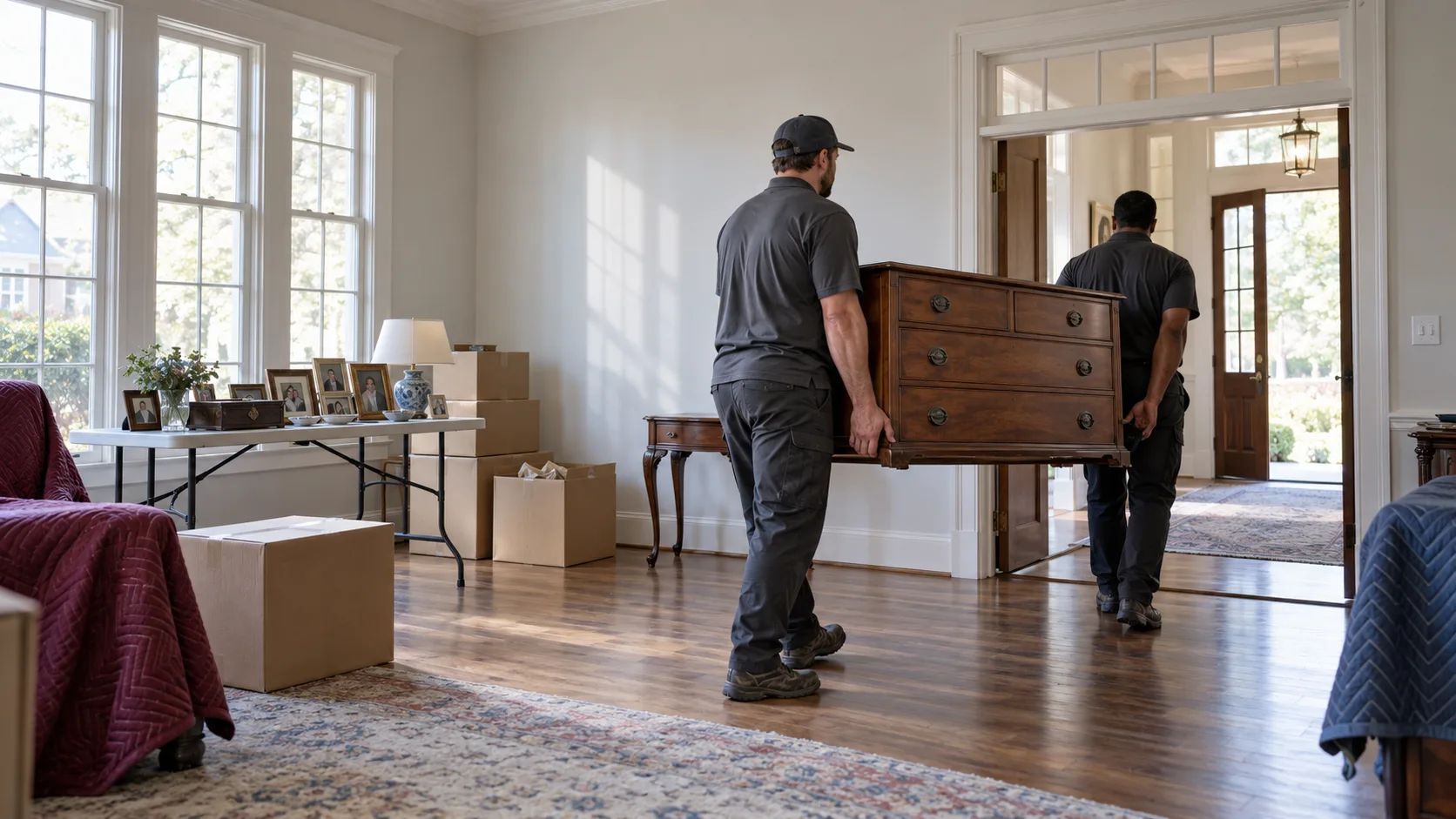
Estate Cleanout work planning scene

What the service can cover

  • Furniture and ordinary household contents
  • Boxed belongings and loose items
  • Garage, attic, basement, and outdoor storage contents
  • Non-hazardous debris already separated for removal

Boundaries to settle first

Set aside documents, medication, jewelry, photographs, keys, and items still under family review before the removal visit.

Hazardous chemicals, unknown liquids, biohazards, and regulated materials need separate handling. Ask about an item before placing it in the removal group.

Prepare the property

Walk the property once with a keep list. Mark any room or cabinet that is out of scope. If several people are making decisions, choose one contact who can approve questions during the work.

Estate Cleanout preparation and handling

Estimate factors

The estimate can change with total volume, heavy or oversized pieces, stairs, long carrying paths, disassembly, parking distance, debris type, and how much sorting remains.

Useful questions for the first call

Specific property details produce a better plan than a broad item list.

Can we keep some rooms untouched?
Yes. Mark excluded rooms and cabinets clearly, then identify one person who can answer scope questions.
Should we move items outside first?
No. Keep heavy pieces in place and describe the carrying route. Moving them without a plan can block exits or damage the property.
What should photos show?
Photograph the full room, the largest items, the tightest stairs or turns, and the loading area.

Read the related preparation guide

Walk us through the property.

Tell us which rooms are in scope, what must stay, and what access looks like. We can discuss the next practical step without a web form.

(865) 383-1181Call or text during business hours