LFLoadForceEstate Cleanout

Estate Furniture Removal

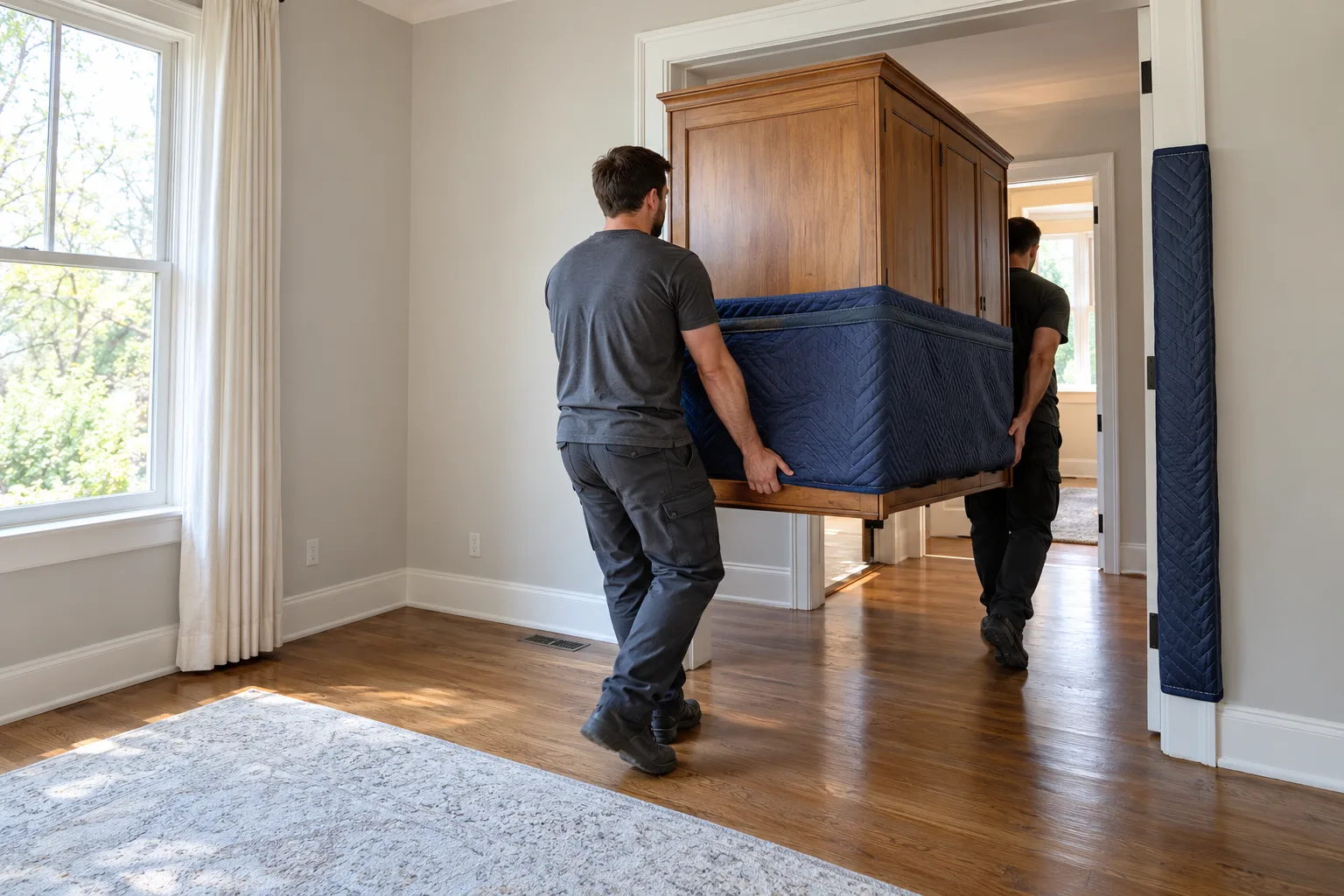
Furniture removal depends on more than item count. Dimensions, stairs, door swings, disassembly, parking, and the condition of each piece shape the carrying plan.

Estate Furniture Removal work planning scene

What the service can cover

  • Sofas, chairs, tables, bed frames, dressers, and shelving
  • Single-room or whole-property furniture removal
  • Basic disassembly when it is safe and appropriate to the item
  • Carry-out from ordinary residential rooms, stairs, and garages

Boundaries to settle first

Built-ins, pianos, safes, damaged glass, pest-affected items, and unusually heavy pieces need advance discussion.

Donation is never guaranteed. Acceptance depends on the item and the receiving organization.

Prepare the property

Count the pieces, measure the widest part of large items, and compare it with the narrowest doorway or stair turn. Empty drawers and cabinets, but leave heavy lifting to the crew.

Estate Furniture Removal preparation and handling

Estimate factors

The main factors are item type and count, dimensions, disassembly, stairs, elevator rules, carrying distance, loading access, condition, and timing.

Useful questions for the first call

Specific property details produce a better plan than a broad item list.

Can we keep some rooms untouched?
Yes. Mark excluded rooms and cabinets clearly, then identify one person who can answer scope questions.
Should we move items outside first?
No. Keep heavy pieces in place and describe the carrying route. Moving them without a plan can block exits or damage the property.
What should photos show?
Photograph the full room, the largest items, the tightest stairs or turns, and the loading area.

Read the related preparation guide

Walk us through the property.

Tell us which rooms are in scope, what must stay, and what access looks like. We can discuss the next practical step without a web form.

(865) 383-1181Call or text during business hours